
Things The Media Never Tells You About Traveling In Hong Kong
Most travelers imagine Hong Kong as a futuristic skyline glowing above Victoria Harbour. They expect luxury malls, dense skyscrapers, fast trains, and endless neon signs. Those things absolutely exist. But the city becomes far more interesting once you notice the layers underneath the postcard image — old tea houses surviving beside designer boutiques, fishermen crossing the same harbor as billion-dollar financial traffic, crowded local diners hidden beneath luxury towers, and entire islands moving at a pace completely different from Central district. Hong Kong is not simply modern Asia. It is a city permanently negotiating between memory, speed, money, and nostalgia.
Victoria Peak . The View Tourists Photograph But Rarely Understand
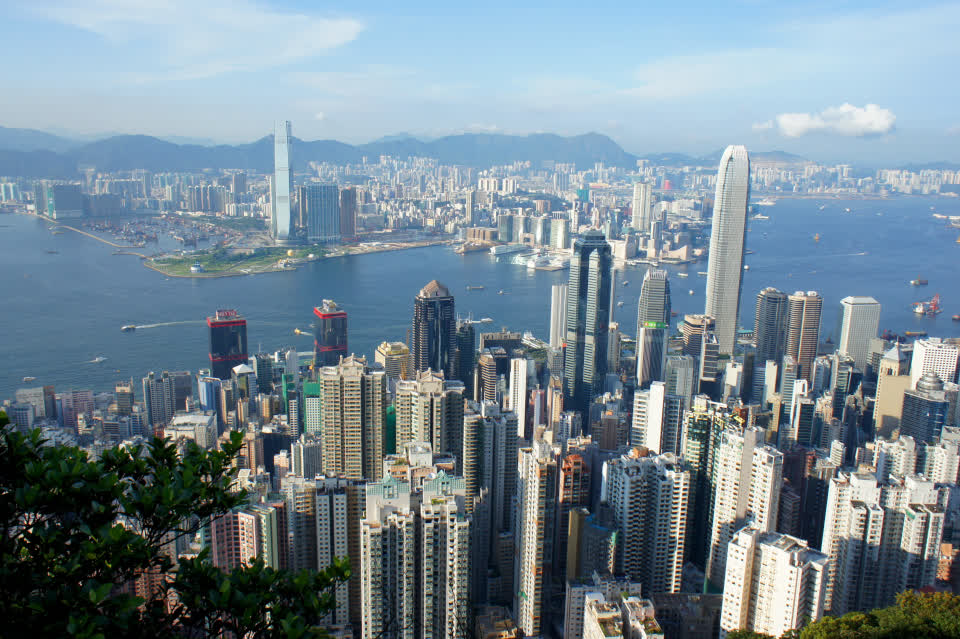
Victoria Peak remains the city’s most famous viewpoint for a reason.
From above, Hong Kong suddenly makes sense geographically. Dense towers compress against mountains while ferries carve lines across Victoria Harbour below. The skyline feels less like urban planning and more like architecture forced into impossible terrain.
Most visitors rush here for sunset photographs.
Experienced travelers stay longer.
Daytime reveals the city’s density clearly, but nighttime changes the emotional atmosphere entirely. Office towers pulse with light while ferries move silently through the harbor beneath giant advertising screens. The city feels restless even from a distance.
One traveler posted online:
“Hong Kong from Victoria Peak looks less like a city and more like an electrical storm someone learned to organize.”
That description feels surprisingly accurate.
And yet, the media rarely discusses the practical reality: Victoria Peak becomes extremely crowded during weekends, holidays, and evenings after 6 PM. Queue times for the Peak Tram can stretch far longer than many first-time visitors expect.
Travel planning matters here.
Arriving early morning or during late afternoon weekdays changes the experience completely.
Lin Heung Tea House . A Vanishing Version Of Old Hong Kong
Modern Hong Kong constantly rebuilds itself. That is part of its identity.
Which makes places like Lin Heung Tea House increasingly important.
Located around Wellington Street in Central, the tea house preserves fragments of an older Hong Kong that luxury developments continue pushing aside. Ceiling fans rotate slowly above crowded tables while dim sum carts move aggressively through narrow aisles. Tea spills. Conversations overlap loudly. Strangers share tables without hesitation.
Nothing about the experience feels curated for international tourists.
That is exactly why travelers remember it.
The lotus seed buns and sticky rice dumplings matter less than the atmosphere surrounding them. You are not simply eating dim sum. You are stepping into a social rhythm shaped decades before Instagram tourism transformed the city.
Many younger travelers expect polished service and quiet dining spaces. Lin Heung operates differently.
Servers move quickly. Seating feels chaotic. Orders occasionally disappear into noise. Yet those imperfections create authenticity impossible to manufacture artificially.
Hong Kong Is Actually An Island World
Most visitors think of Hong Kong as skyscrapers.
Geographically, it is far more fragmented.
More than 260 islands form the territory, creating a maritime identity many tourists barely notice. Renting a small junk boat or joining local harbor trips reveals a completely different side of the region — quieter coastlines, fishing villages, isolated beaches, and rocky coves hidden beyond the financial districts.
The contrast feels startling.
Within an hour, travelers can move from luxury shopping malls into waters once associated with fishermen and pirates. The skyline shrinks behind sea mist while green islands begin dominating the horizon instead.
And this is where Hong Kong becomes multidimensional rather than cinematic.
It stops feeling like a financial brand and starts behaving like a coastal civilization.
Things The Media Doesn’t Tell You
Travel content about Hong Kong usually focuses on efficiency, skyline photography, and shopping districts.
Reality is more complicated.
Hong Kong is one of the most visually exciting cities in Asia, but it is also physically exhausting. Steep hills, humidity, dense crowds, and constant movement drain travelers faster than expected. Tiny hotel rooms surprise first-time visitors accustomed to larger accommodations elsewhere in Southeast Asia.
The city rewards preparation more than spontaneity.
Before traveling, smart visitors gather “real data” instead of relying entirely on glossy itineraries:
- Read recent negative hotel reviews about room size and noise
- Check local Reddit threads discussing transportation changes
- Watch TikTok videos filmed during rush hour instead of sunrise drone footage
- Browse Google Maps comments for ferry delays or overcrowded attractions
- Search YouTube walking tours uploaded within the last few months
Why does this matter?
Because Hong Kong changes quickly.
Restaurants close unexpectedly. Old neighborhoods disappear under redevelopment. Crowd conditions shift dramatically depending on festivals, weekends, and public events. A peaceful market street online may feel overwhelming in reality.
The city works best when travelers understand its rhythm rather than fight against it.
Infinity Pools And The Performance Of Luxury
The infinity pools at InterContinental Hong Kong became globally famous long before social media normalized rooftop luxury photography.
The visual effect remains impressive. Warm water merging visually into Victoria Harbour while ferries pass beneath the skyline still feels surreal.
But the deeper story is sociological.
Hong Kong sells aspiration aggressively. Luxury hotels, designer storefronts, and rooftop bars project a version of urban success that travelers consume almost theatrically. The infinity pool experience becomes part relaxation, part performance.
Visitors photograph themselves against the skyline because Hong Kong encourages people to imagine themselves inside cinematic wealth.
Yet just outside those luxury zones, elderly residents still play cards beside old apartment blocks while local diners serve inexpensive comfort food unchanged for decades.
That tension defines the city.
Temple Street Night Market . The City Becomes Noisy Again
Temple Street Night Market offers a different version of Hong Kong entirely.
Forget polished malls.
Temple Street is loud, crowded, unpredictable, and deeply sensory. Street vendors sell counterfeit watches beside herbal medicine stalls. Seafood tanks bubble outside open-air restaurants while fortune tellers wait beneath fluorescent signs.
The market stretches through Jordan and Yau Ma Tei districts, becoming especially active after dark.
Travel videos usually romanticize the neon atmosphere. What they discuss less is the intensity.
The smell of seafood mixes with cigarette smoke and engine fumes. Narrow walking lanes become difficult during weekends. Bargaining culture varies dramatically between stalls. Some visitors feel energized. Others become overwhelmed quickly.
And yet, this chaotic energy is exactly what many travelers later remember most vividly.
Cha Chaan Teng Restaurants . Hong Kong’s Memory Preserved In Food
Cha Chaan Teng style cafes emerged during the economic expansion of the 1960s and 1970s, blending Western influences with local Cantonese tastes.
The results still confuse foreign visitors beautifully.
Soy sauce chicken pasta. Pork chop buns beside milk tea. Instant noodles served with unexpected combinations of meat and eggs. Coffee and tea mixed together in the same drink.
It sounds absurd until you try it.
These restaurants reflect Hong Kong’s historical identity — British colonial influence filtered through Cantonese practicality and working-class affordability.
Today, many travelers visit partly for nostalgia. Some locals do too.
Older residents remember these cafes as symbols of upward mobility during decades when Hong Kong transformed economically at astonishing speed.
Food here tells urban history more effectively than museums sometimes can.
The Ferry Ride Every Traveler Should Take
The iconic Star Ferry crossing between Kowloon and Hong Kong Island lasts only minutes.
Yet it may be the city’s most important travel experience.
You pass cargo vessels, financial towers, construction barges, and aging waterfront districts simultaneously. The harbor compresses Hong Kong’s contradictions into one short journey.
Tourists photograph the skyline.
Locals check their phones impatiently on the way home from work.
That combination feels strangely moving.
If possible, travelers should take evening departures before the nightly Symphony of Lights performance. The harbor transforms completely after sunset, especially when clouds reflect neon colors back onto the water.
For a brief moment, the city feels cinematic again.
Then the ferry docks, commuters rush forward, and Hong Kong returns instantly to its normal speed.
Disneyland And Hong Kong’s Split Personality
Hong Kong Disneyland feels almost surreal after exploring dense urban districts.
Suddenly the city’s intensity disappears behind controlled fantasy environments designed around nostalgia and entertainment. Families move through themed lands while carefully managed music replaces traffic noise.
Some travelers dismiss Disneyland as overly commercial.
Others see it as another example of Hong Kong’s adaptability.
The city constantly shifts identities depending on where you stand — financial hub, fishing archipelago, colonial memory, shopping capital, cinematic skyline, theme park destination.
Few cities transition between worlds this quickly.
That is what makes Hong Kong difficult to summarize and impossible to experience properly in only one version.
How To Experience Hong Kong Beyond Luxury Shopping And Skyscrapers.
Hong Kong travel, Victoria Peak, Temple Street Market, Hong Kong ferry, Hong Kong skyline, Lin Heung Tea House, Kowloon nightlife, Hong Kong islands, Cha Chaan Teng, Hong Kong food, Hong Kong itinerary, Hong Kong nightlife, Star Ferry, Hong Kong attractions, Disneyland Hong Kong
