
What Travelers Miss At Kinkakuji When They Only Take Photos
Kinkakuji . The Golden Temple That Kyoto Never Fully Explains
Kyoto is often described as Japan’s cultural memory. That sounds poetic until you arrive there and realize the city operates less like a museum and more like a carefully choreographed contradiction. Convenience stores sit beside 400-year-old wooden homes. Teenagers in sneakers pass elderly monks carrying incense. Tour buses unload visitors at temples built for silence.
And then there is Kinkakuji.
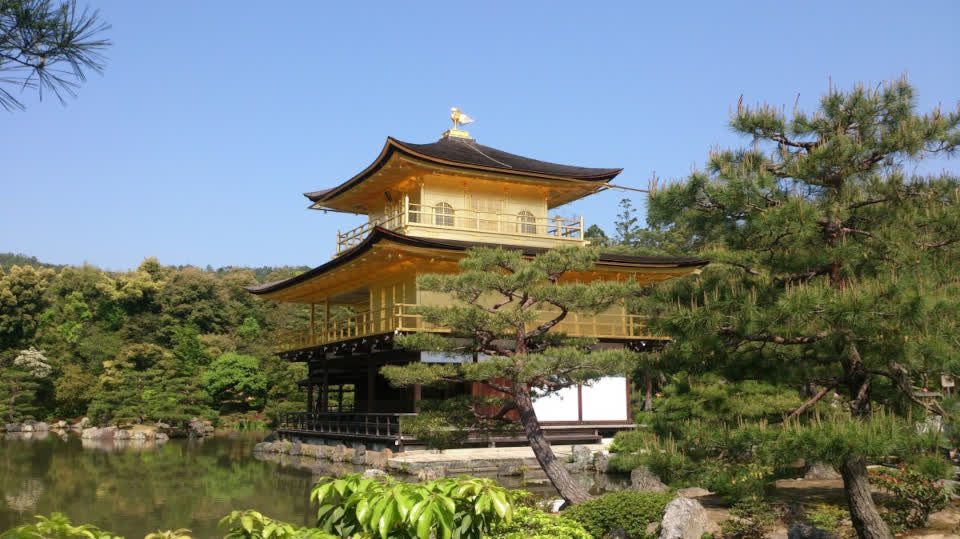
Known internationally as the Golden Pavilion or “Golden Temple,” Kinkakuji does not slowly introduce itself. It appears suddenly across a still pond, almost too symmetrical to feel real. Gold leaf flashes against dark pine trees. The water mirrors the building so perfectly that many first-time visitors stop talking for a few seconds without realizing it.
Yet the strange thing about Kinkakuji is this: the temple is smaller than many travelers expect. The atmosphere around it is busier. The experience is shorter. And somehow, despite all of that, it remains one of the most unforgettable places in Japan.
Not because it is flawless. Because it understands spectacle better than almost any historic site in Asia.
Where Is Kinkakuji?
Kinkakuji Temple, also called Rokuonji Temple, sits in northern Kyoto, Japan. The temple originally began as a retirement villa for Ashikaga Yoshimitsu, the military ruler of Japan during the Muromachi Period (1336–1573). After his death, the villa was converted into a Zen Buddhist temple.
The current structure is technically not the original.
In 1950, a young monk burned the temple down in one of the most shocking cultural incidents in modern Japanese history. The pavilion was rebuilt in 1955 and re-covered in gold leaf during major restoration work in 1987. Today’s version is both historical reconstruction and modern symbol. That dual identity gives the temple an unusual emotional texture. Visitors are looking at something ancient, but also something reborn.
An architecture professor from Kyoto once described Kinkakuji this way:
“It is not important whether the building is original. What matters is that Japan chose to rebuild the dream exactly as it remembered it.”
That sentence stays with you while standing beside the pond.
The First Impression Changes Depending On The Weather
Many travelers obsess over cherry blossom season. Others aim for autumn foliage. Surprisingly, Kinkakuji may be most dramatic in winter.
Snow settles lightly on the gold roof. The surrounding pine trees darken under cold skies. The reflection sharpens. Kyoto becomes quieter. Even tour groups seem to lower their voices.
In summer, the temple feels more theatrical. Cicadas scream from the trees. The gold reflects aggressively under the midday sun. The pond becomes mirror-bright. It is beautiful, yes, but also crowded and humid.
Spring brings softer colors. Autumn brings contrast. Winter brings atmosphere.
That distinction matters.
Experienced travelers often discover that memorable destinations are not defined by weather alone but by emotional tone. Kinkakuji changes personality with the season.
A Temple Designed Like A Staged Painting
The most fascinating detail about Kinkakuji is that it was never intended to be explored internally by large crowds. It was designed to be viewed from outside, across water, almost like a living artwork.
The temple’s three floors each represent different architectural styles:
- The first floor follows the Shinden style used in aristocratic residences during the Heian era.
- The second floor reflects Bukke architecture associated with samurai culture.
- The third floor adopts Chinese Zen influences and is fully gilded.
The result should feel chaotic. Somehow it does not.
Natural wood columns on the lower level soften the brightness above. White plaster balances the gold. The phoenix statue on top seems ornamental from afar, but up close it reinforces the Buddhist symbolism of rebirth and transcendence.
The pond itself is not decorative background. It is part of the architecture.
Every angle forces visitors into a controlled visual narrative. The reflection doubles the temple. Trees frame it deliberately. Even the walking path subtly manipulates perspective.
A travel photographer from Osaka explained it bluntly:
“Kinkakuji is one of the few places where tourists unknowingly stand exactly where the architect wanted them centuries ago.”
That is true. Nearly every visitor takes the same photograph. Yet most leave satisfied anyway.
Things The Media Doesn’t Tell You
Most travel videos focus only on the gold building itself. They rarely explain the logistics, crowd flow, or sensory reality of visiting Kinkakuji.
Here is what planners usually notice first:
The temple is extremely crowded after 10 AM
If you arrive late morning, the pathways become packed with school groups and tour buses. During peak seasons, the movement through the temple grounds feels almost conveyor-belt organized.
Early morning changes everything.
Arriving within the first opening hour creates a dramatically calmer experience and better photography conditions. The pond becomes less disturbed by wind and people.
You cannot freely enter the pavilion
Many travelers assume the Golden Pavilion operates like a museum interior. It does not. Visitors observe from designated walking paths around the pond and gardens. The experience is visual rather than interactive.
The famous reflection depends heavily on wind
Social media often shows perfectly mirrored water. In reality, weather conditions matter. Wind breaks the reflection instantly. Cloudy days create softer tones while sunny afternoons increase glare.
The souvenir area is larger than expected
Kyoto carefully balances spirituality and tourism economics. Around Kinkakuji, you will find matcha snacks, gold-themed souvenirs, omamori charms, and regional sweets. Some travelers appreciate this. Others feel it interrupts the contemplative mood.
Both reactions are valid.
Summer heat can be exhausting
Kyoto humidity surprises many European and North American travelers. Even short walking routes feel tiring in July and August. Carry water. Lightweight clothing matters more here than in Tokyo because Kyoto walking routes involve more outdoor exposure.
The Gardens Matter More Than People Expect
Many visitors rush through Kinkakuji in under an hour. That is a mistake.
The rear gardens contain some of the most thoughtful details in the complex. Anmintaku Pond, believed never to dry out, creates a quieter spiritual atmosphere away from the main pavilion viewpoint. Stone arrangements, moss patterns, and narrow pathways reveal the Zen preference for controlled asymmetry.
This is where Kyoto slows down.
The further you move from the main photo location, the more the experience shifts from spectacle toward meditation.
One local guide told me:
“Most tourists photograph Kinkakuji. Few actually walk Kinkakuji.”
That distinction feels accurate.
Planning A Better Visit To Northern Kyoto
Travelers often combine Kinkakuji with too many destinations in one day. Kyoto punishes rushed itineraries. Distances appear short on maps but transportation and walking times accumulate quickly.
A better strategy is grouping nearby northern Kyoto locations together:
- Kinkakuji Temple
- Ryoanji Temple
- Ninnaji Temple
- Small local tea shops around Kita Ward
This creates a slower cultural route rather than a checklist sprint.
If using public transportation, buses reach the temple efficiently, though they become crowded during peak tourism months. Taxis are faster but traffic around Kyoto’s heritage zones can slow movement considerably.
Cycling is another option, though summer heat and occasional hills make it better suited to experienced riders.
Community Opinions Are More Divided Than Travel Brochures Admit
Reading travel forums, negative reviews, and recent Kyoto vlogs reveals something interesting: not everyone loves Kinkakuji equally.
Common complaints include:
- Too crowded
- Too commercialized
- Short visit duration
- Limited interior access
Yet even critics usually admit one thing: the visual impact is undeniable.
That contradiction explains why Kinkakuji remains globally famous despite overtourism pressures. Travelers may debate the atmosphere, but very few forget the image itself.
Recent YouTube walking tours and Kyoto travel groups also show increasing discussions about responsible tourism. Visitors are encouraged to lower noise levels, respect photography etiquette, and avoid blocking pathways for extended photo sessions.
The shift reflects a broader challenge facing Kyoto. The city wants tourism revenue without losing its cultural rhythm.
Why Kinkakuji Still Works In The Age Of Social Media
Many iconic places become disappointing once filtered through Instagram expectations. Kinkakuji avoids that trap because the real-life atmosphere remains strangely cinematic.
The gold does look unreal.
The reflection is genuinely hypnotic.
The silence between tour groups still exists if you wait for it.
More importantly, the temple carries historical weight beyond visual appeal. Fire, reconstruction, Zen philosophy, aristocratic ambition, and modern tourism all coexist in one compact space.
That layered identity is what separates Kinkakuji from a simple sightseeing stop.
It is not merely a beautiful building.
It is Japan’s ability to preserve myth while rebuilding reality.
Full Summary
Kinkakuji Temple in northern Kyoto remains one of Japan’s most recognizable landmarks not because it promises untouched serenity, but because it compresses centuries of Japanese aesthetics, destruction, reconstruction, religion, and tourism into one remarkably controlled visual experience. Originally built as a retirement villa for Ashikaga Yoshimitsu during the Muromachi era, later transformed into a Zen temple, destroyed by fire in 1950, and reconstructed in 1955, the Golden Pavilion today stands as both historical symbol and cultural performance.
The temple’s architectural layering — aristocratic Heian influence on the first floor, samurai residential style on the second, and Chinese Zen inspiration on the top floor — creates a structure that feels balanced despite its complexity. Visitors rarely enter the pavilion itself; instead, the experience unfolds through carefully designed pathways around reflective ponds and landscaped gardens. Seasonal variation dramatically changes the mood, with winter often delivering the most atmospheric conditions.
At the same time, modern tourism shapes the experience heavily. Crowds, souvenir zones, photography culture, and strict visitor flow systems all coexist alongside moments of surprising calm. Travelers who slow down, explore the rear gardens, and arrive early typically leave with a more nuanced impression than those rushing through checklist itineraries.
Kinkakuji ultimately succeeds because it acknowledges contradiction rather than hiding it. Sacred and commercial. Ancient and reconstructed. Peaceful yet crowded. Carefully curated but emotionally authentic. Kyoto rarely explains these tensions directly, but Kinkakuji quietly displays them in full view.
Inside Kyoto’s Most Famous Zen Temple Beyond The Instagram View.
Kinkakuji Temple, Golden Pavilion Kyoto, Kyoto travel guide, Kyoto Zen temple, Japan cultural sites, northern Kyoto, Rokuonji Temple, Kyoto winter travel, Japanese architecture, Kyoto temple route, Kyoto photography spots, Kyoto heritage sites, Muromachi culture, Kyoto travel tips, Japan temple guide
